Useful Properties Of Purslane
 Author: Nia Rouseberg
Time for reading: ~4
minutes
Last Updated:
August 08, 2022
Author: Nia Rouseberg
Time for reading: ~4
minutes
Last Updated:
August 08, 2022
CHAPTERS (Table Of Contents)
Purslane is a green leafy garden plant, a rich source of antioxidants, proteins, minerals and vitamins. Low-calorie vegetable with many health benefits, suitable for adding to the diet.
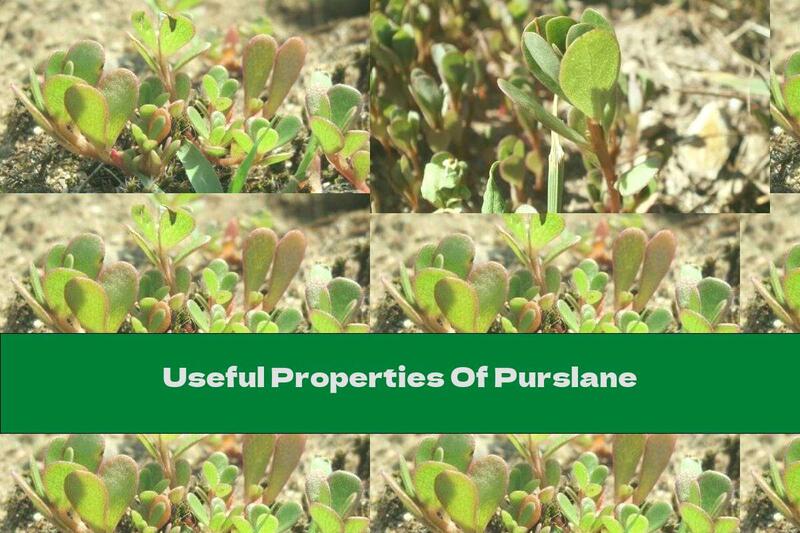
Purslane is a garden plant that is widely used in Eastern cuisine. It is also found under the name fat, pea or bruchenka. It contains a lot of proteins, microelements, it is a wonderful addition to meat, it is used in making salads, purees. There are several types of purslane - green, golden yellow and deciduous. This succulent plant contains about 93% water. It has red stems and small green leaves. It tastes slightly sour or salty, similar to spinach and cress. The plant grows in many parts of the world in a wide range of environments. It can grow both in gardens and on sidewalks, but also to adapt to harsher conditions, such as droughts, very salty soil or lack of nutrients in the soil.
History and distribution
As early as ancient Egypt, the plant was used for medicinal purposes, as the leaves and stems were added to dishes. In ancient Greece, purslane was a medicine rather than a food, as evidenced by the writings of Hippocrates. With the herb they overcame insomnia, treated wounds, snake bites, intestinal diseases.
Pliny the Elder described the plant as "mandatory for use", and the famous Arab physician Avicenna considered it one of the most important natural remedies.
The tradition of purslane being part of salads and served as an addition to meat was transmitted to France by the Romans and to the East by the Persians. Today the plant grows in the Caucasus, India, France and the Mediterranean countries.
Nutritional composition of purslane
Purslane contains easily digestible proteins, organic acids (nicotinic and oxalic), glycosides, vitamins, mineral salts, trace elements and the flavonoid likviricin.
100 grams of purslane contain:
- Vitamin A (from beta-carotene) - 26% of the recommended daily requirement *
- Vitamin C - 35% *
- Magnesium - 17% *
- Manganese - 15% *
- Potassium - 14% *
- Iron - 11% *
- Calcium - 7% *
It also contains small amounts of B vitamins - B1, B2, B3, B9 and the minerals copper and phosphorus. Due to the fact that purslane is low in calories - only 20 calories per 100 grams of product, this makes it one of the foods with high nutritional density and suitable for addition to almost any diet for weight loss.
1. High content of omega-3 fatty acidsOmega-3 fatty acids are important fats that the body cannot produce, so you need to get them from your diet. Purslane is low in fat, but most of it is in the form of omega-3 fatty acids. In fact, the plant contains both types of omega-3 (alpha-linolenic acid ALA and eicosapentaenoic acid EPA). ALA is found in many plants, while EPA is found mostly in animal products (such as oily fish) and in algae. Compared to other leafy greens, purslane is high in ALA (contains about 5 to 7 times more than spinach). Interestingly, it also contains traces of EPA - this omega-3 fatty acid is more active in the body than ALA and is not usually found in plants that grow on land.
2. Rich source of antioxidantsPurslane is rich in various antioxidants and useful plant compounds:
- Vitamin C, also known as ascorbic acid, is an antioxidant that is essential for maintaining skin, muscles and bones in the body.
- Vitamin E is found in purslane, in the form of alpha-tocopherol, which can protect cell membranes from damage.
- Beta-carotene, an antioxidant that the body converts into vitamin A, which is known for its benefits in eye health.
- Glutathione is an important antioxidant that can protect cells from damage.
- Melatonin is a hormone that helps you fall asleep easier by fighting insomnia.
- Betalaine is an antioxidant that has been shown to protect against damage to low-density lipoprotein (LDL) particles.
A study of obese teens found that eating purslane seeds reduced LDL levels of "bad" cholesterol and triglycerides, both associated with an increased risk of heart disease. Scientists attribute this effect to the antioxidants and plant compounds contained in purslane seeds.
3. Contains large amounts of important mineralsPurslane is a good source of potassium - a mineral that helps regulate blood pressure. High intake of this mineral is associated with a lower risk of stroke and may reduce the risk of heart disease.
The plant is also a source of magnesium - a very important mineral that is involved in more than 300 enzymatic reactions in the human body. Magnesium can protect against heart disease and type 2 diabetes.
Another important element found in greens is calcium - the most common mineral in the body. It is important for bone health. Phosphorus and iron are also found in small amounts.
More mature plants may contain larger amounts of minerals than younger ones.
Useful properties of purslane
Since the time of Hippocrates, purslane has been used to treat and prevent kidney and liver diseases, as a wound healing agent. In Chinese medicine, the juice of the plant treats eye problems.
An important property of the useful leaves is their antibacterial action against the bacteria Salmonella and Shigella (causes of dysentery).
The plant is used as a diuretic and antipyretic.
Externally applied in the form of compresses to treat festering wounds.
Despite its beneficial properties, purslane should be taken in moderation, like any food. It is enough to consume 100-150 grams of fresh stalks daily.
Contraindications to the consumption of purslane
Like many other leafy vegetables, including spinach, purslane contains large amounts of oxalates, which have antioxidant properties and can inhibit the body's ability to absorb minerals such as magnesium and calcium.
Shade-grown plants have higher levels of oxalates than plants grown in direct sunlight. For most healthy people, this should not be a problem, but people who have a tendency to develop kidney stones should avoid foods high in oxalates, as these substances are thought to contribute to the problem.
Combining purslane or other leafy vegetables with a high oxalate content with yogurt reduces the oxalate content.
Related Articles
- The Role of Sodium Methyl Para-Hydroxybenzoate in Nutrition: Preservative Properties & Health Concerns
- The Role of Functional Properties in Muffins: Nutrition, Diets, and Recipes
- The Functional Properties of Muffins in Nutrition: A Comprehensive Guide
- Nutritional Benefits of Functional Properties in Muffins: A Comprehensive Guide
- Functional Properties of Muffins in Nutrition: A Complete Guide