Spirulina
 Author: Maryam Ayres
Time for reading: ~2
minutes
Last Updated:
August 08, 2022
Author: Maryam Ayres
Time for reading: ~2
minutes
Last Updated:
August 08, 2022
CHAPTERS (Table Of Contents)
In this article, learn more about Spirulina. Spirulina.
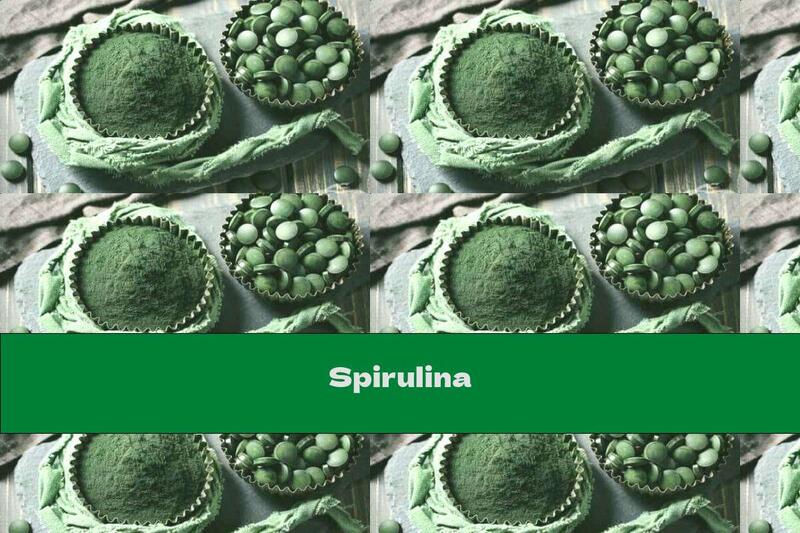
Spirulina is a microscopic blue-green alga that has been consumed for centuries due to its high nutritional value. It contains virtually all the components that could be found in an ideal diet: a significant amount of protein, mineral salts, vitamins, carbohydrates, pigments, trace elements and essential fatty acids. In addition, unlike other algae, spirulina is easy to eat.
Spirulina grows in the form of microscopic spirals that tend to stick together, making them easy to collect. It has a relatively mild taste. In addition to food supplements, it can be used as a colorant for some foods.
Nutritional value, vitamins and minerals
Spirulina is very rich in various nutrients and vitamins. About 55-70% of its weight is from dietary protein, from a qualitative point of view, it provides a complete set of proteins because it contains a full range of essential amino acids (47% of total protein weight).
B vitamins are found in large quantities. The beta-carotene content is unusually high, 30 times higher than in carrots. Spirulina contains a lot of vitamin B12, which is important for vegetarians because it is not found in fruits, vegetables or legumes. Compared to raw liver, which is considered the best source of the vitamin, spirulina contains 4 times more vitamin B12. A dose of 4 grams of dry spirulina per day provides the full recommended dose of the vitamin.
Nutritional value per 100 grams:
| proteins | 63 grams |
| carbohydrates | 2.2 grams |
| vitamin A. | 212 milligrams |
| vitamin B1 | 3.5 milligrams |
| vitamin B2 | 4 milligrams |
| vitamin B3 | 13 milligrams |
| calcium | 1000 milligrams |
| phosphorus | 800 milligrams |
| magnesium | 400 milligrams |
| iron | 58 milligrams |
| potassium | 1400 milligrams |
| chlorophyll | 600 milligrams |
| manganese | 5 milligrams |
| dietary fiber | 7 grams |
| minerals | 8 grams |
Health benefits
- helps in the treatment of candida;
- helps prevent cancer;
- lowers blood pressure;
- lowers bad cholesterol;
- reduces the risk of stroke;
- increases energy;
- promotes weight loss;
- improves sinus problems;
- improves memory;
- improves the condition of HIV / AIDS;
- cleanses the body of heavy metals (especially arsenic);
Possible side effects
You must be absolutely sure that you are buying spirulina, which is of the highest quality and purest. There is a danger of taking contaminated spirulina, and it can cause you the following:
- liver damage;
- stomach pain;
- nausea;
- vomiting;
- weakness;
- thirst;
- palpitations;
- shock and even death.
In addition, pregnant women and children should not consume seaweed. Contact your doctor to confirm if you can use spirulina.
Related Articles
- The Power of Blue Spirulina in Nutrition: Benefits, Recipes, and Safety
- The Power of Blue Spirulina: Benefits, Recipes, and More
- The Power of Blue Spirulina in Nutrition: Benefits and Recipes
- The Power of Blue Spirulina in Nutrition: Health Benefits & Recipes
- The Power of Blue Spirulina in Nutrition: Benefits and Uses
Top Nutrition Articles Today
- . The Role of Water in Nutrition: Importance of Hydration and...
- . Melanin In Foods: What It Is Responsible For And How To Incr...
- . The Role of Amylase in Nutrition: Importance, Function, and...
- . The Impact of Coca-Cola on Nutrition: Caloric Content, Blood...
- . The Role of E220 in Nutrition: Preservative, Color Retention...
- . The Nutritional Benefits of Fish Roe: A Superfood for Your H...
- . The Ultimate Guide to Carbs in Nutrition: Types, Diets, and...
- . The Role of Additives in Nutrition: Positive and Negative Ef...
- . The Science of Raising Agents in Baking: Chemical and Functi...
- . Carbs to Sugar Conversion Chart: Monitoring Carb and Sugar I...