Quinoa - Useful Properties And Nutritional Composition
 Author: Victoria Aly
Time for reading: ~2
minutes
Last Updated:
August 08, 2022
Author: Victoria Aly
Time for reading: ~2
minutes
Last Updated:
August 08, 2022
CHAPTERS (Table Of Contents)
Quinoa is rich in protein and amino acids. It is considered one of the modern superfoods.
Quinoa is a grain-like crop, grown mainly for its seeds. Quinoa is a seed, not a grain, although it resembles a plant. It has useful properties similar to those of leafy vegetables.
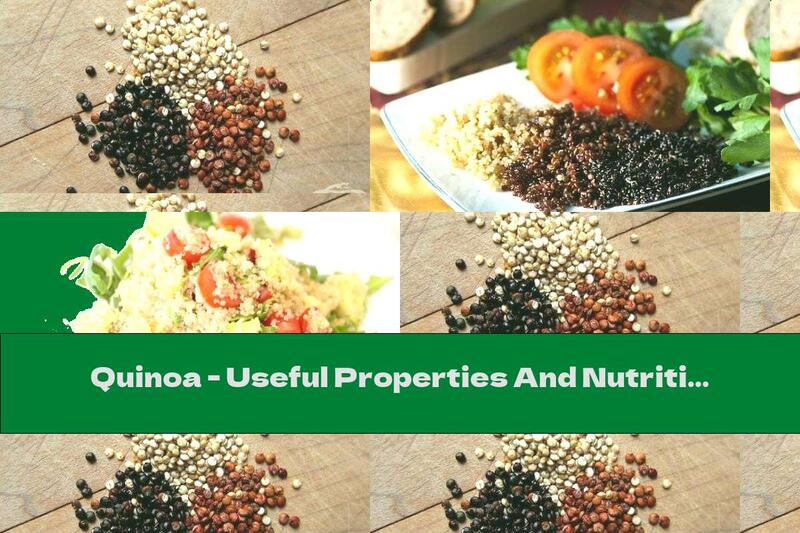
There are over 120 varieties of quinoa, and the most common species are white (ordinary), red and black.
They do not differ significantly in nutritional value, the only differences are in the duration of cooking - black and red need a little longer heat treatment, unlike white quinoa.
Nutritional value and composition per 100 grams of raw quinoa:
- carbohydrates - 64 grams
- fiber - 7 grams
- protein - 14 grams
- fat - 6.1 grams
- calcium - 47 milligrams
- iron - 4.57 milligrams
- potassium - 563 milligrams
* The nutritional composition of quinoa changes when cooked (values decrease by 2/3).
Useful properties
High fiber contentQuinoa contains much more fiber than many other grains. Most of the fibers in it are water insoluble and pass through the intestinal tract intact, but some of them are absorbed by the body. These fibers help lower blood sugar and cholesterol levels and are essential for weight loss.
Contains proteins and all essential amino acidsMost plant sources do not contain all the essential amino acids. Quinoa is an exception and contains all the essential amino acids ( learn more ).
It also contains very large amounts of protein, which makes it a good source of protein for vegetarians and vegans.
It has a low glycemic indexThe food's glycemic index (GI) shows how fast food raises blood sugar.
Eating foods with a high GI stimulates hunger and contributes to weight gain.
Such foods are also associated with a number of chronic diseases, such as diabetes and heart disease.
Quinoa has a glycemic index of 53, which is considered low.
But if you follow a diet that aims to limit carbohydrates, keep in mind that quinoa contains a lot of them.
Rich in antioxidantsQuinoa is high in antioxidants that neutralize free radicals in the body. It is believed to help against aging. A study examining a total of 10 cereals and legumes found that quinoa had the most antioxidants.
Quinoa and weight lossQuinoa helps you lose weight, thanks to the proteins and fiber that saturate.
Certain properties can promote weight loss by boosting metabolism and lowering appetite. It is also low in calories, which is another plus.
Quinoa can easily be included in the diet, it is widely and variously used. See different recipes for quinoa.
Another application of the plant
Quinoa leaves are an indispensable tonic, rich in vitamins. They contain carotene, ascorbic acid, 17 amino acids, 10 of which are not synthesized in the body, ie. are indispensable and are obtained only through food.
Raw seeds of the plant cause vomiting and have a laxative effect. Can be used in food poisoning and chronic constipation.
Quinoa decoction has antibacterial properties and is used in infectious-inflammatory processes of the respiratory tract, gastrointestinal tract, skin.
A leaf of the plant is placed on a wound to prevent possible infection.
Old medical books keep recipes with quinoa against radiculitis, hemorrhoids, gout, heart disease and more.
Contraindications
Prolonged consumption or overuse of quinoa flour or seeds may exacerbate existing diseases of the digestive and nervous systems. The plant should not be used by people with kidney and gallstones.
Related Articles
- Fruitskewers in Honey Syrup: Nutritional Benefits and Recipes
- Nutritional Benefits of Fruit Skewers in Honey Syrup: A Delicious and Healthy Recipe
- Nutritional Benefits of Fruit Skewers in Honey Syrup: A Healthy and Delicious Snack
- The Role of Sodium Methyl Para-Hydroxybenzoate in Nutrition: Preservative Properties & Health Concerns
- The Nutritional Benefits of Salty Popcorn: A Healthy Snack Option
Top Nutrition Articles Today
- . How To Cook Compote
- . Winter Nutrition: Importance, Tips, and Recipes for a Health...
- . How To Pickle Cauliflower
- . The Nutritional Benefits of Raisins for Brain Health
- . How To Thicken Liquid Jam For Baking
- . A Cup Of Coffee - Does It Help With Weight Loss?
- . List of Foods that Contain Carrageenan: A Guide to Avoiding...
- . Nutritional Value of Barley Malt: Benefits, Vitamins, and Re...
- . How To Cook Sesame Bagels - Recipe
- . How To Quickly Lose Weight After A New Year's Binge