Prostatitis
 Author: Maryam Ayres
Time for reading: ~2
minutes
Last Updated:
August 08, 2022
Author: Maryam Ayres
Time for reading: ~2
minutes
Last Updated:
August 08, 2022
CHAPTERS (Table Of Contents)
Nutrition in prostatitis is an important step in the treatment of inflammation of the prostate gland (prostate). Proper nutrition is necessary in both acute and chronic manifestations of the disease.
Nutrition in prostate and so is an important stage in the treatment of inflammation of the prostate gland (prostate). Proper nutrition is necessary in both acute and chronic manifestations of the disease. At the same time, it is necessary to observe the regime not only in case of exacerbation of inflammation and in case of pronounced clinical manifestations, but also during remission and calm. This will avoid re-inflammation and serve as a prophylaxis against adenomas and prostate cancer.
Authorized and recommended foods
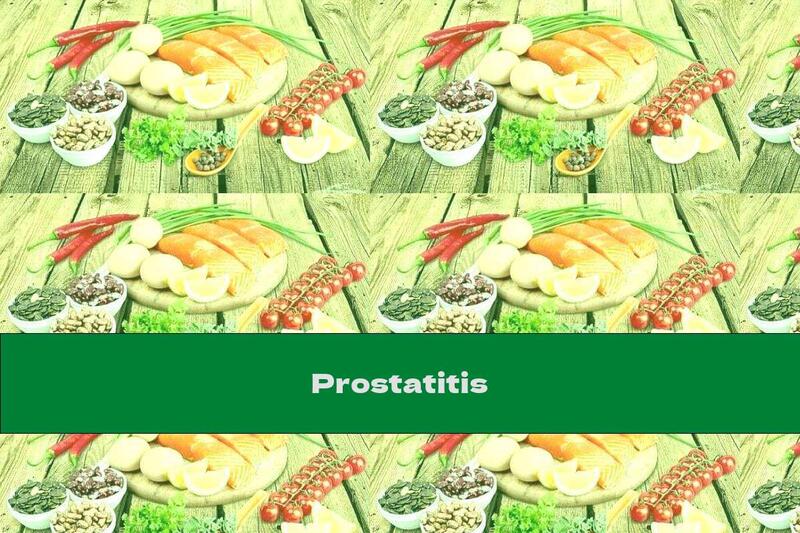
The basis of the diet for prostatitis should be products high in zinc. These are primarily pumpkin seeds, peas, walnuts and other nuts, various cereals.
Increased zinc intake helps reduce inflammation of the prostate, improves blood flow in it and prevents the development of malignant tumors in the gland.
It is desirable that fruits and vegetables be consumed after a short heat treatment or raw. This is necessary so that the prostate and the body as a whole can receive all kinds of vitamins. They increase immunity, reducing the risk of frequent exacerbations. For the same reasons, it is good to drink natural juices.
The intake of fermented milk products normalizes the work of the gastrointestinal tract by normalizing the microflora and improving the work of enzymes. This in turn has a beneficial effect on the whole body, preventing the appearance of infections and other pathological conditions.
Therapeutic nutrition for prostatitis must meet all the energy needs of the body. Insufficient protein, vegetable fats and carbohydrates in the body lead to exhaustion, which leads to disruption of every organ, including the prostate.
It is desirable that the daily amount of calories be between 2500-2800. Protein should be up to 100 grams (preferably 85-90 g), carbohydrates - up to 350-400 g per day, and fat - up to 70 grams (most of them should be vegetable). Fluids - up to 1.5 liters per day.
You can consume:- Wheat bread;
- Fruit and vegetable juices;
- Vegetable fats (sunflower, sesame oil, olive oil, etc.);
- Lean meat (chicken, rabbit, beef, beef, lean pork);
- Lean fish;
- Fruits and vegetables in all kinds;
- Cereals;
- Pasta;
- Honey and dried fruits (prunes, apricots, etc.).
The fact that not all foods are on the list of permitted for consumption does not mean that their consumption is prohibited, but it is necessary to limit them.
Prohibited products:There are harmful foods and drinks for the prostate, the use of which should be minimized or completely excluded because they have an adverse effect on the prostate.
- Too sharp, spicy and salty products - excreted in the urine, which irritates the mucous membrane of the prostate and stimulates inflammation;
- Reduce pasta to a minimum;
- Do not consume offal (kidneys, liver, lungs, heart, brain);
- Minimize the intake of some legumes (beans, lentils);
- Fatty meats. Increased consumption of animal fats increases the risk of exacerbation of prostatitis due to the deposition of cholesterol in the blood vessels (impaired blood circulation to the prostate);
- Carbonated drinks should be minimized - they also irritate the mucous membranes and are excreted in the urine;
- Alcohol. Not everyone can completely limit themselves from it. It is recommended not to drink more than 100 grams of strong drinks such as cognac and others per day. and 200 grams of wine (natural, preferably red) or 500 ml of beer. Alcoholic beverages of unproven quality can increase the risk of inflammation due to the additives in them.
Related Articles
Top Nutrition Articles Today
- . How To Freeze Nettles
- . The Ultimate Guide to Bicarbonate in Nutrition: Sources, Ben...
- . Mad Dog Alcohol
- . The Role of Raising Agents in Nutrition: Types, Functions, a...
- . How To Fold An Angel Napkin
- . The Truth About Potato Chips: Health Effects and Alternative...
- . The Order of Eating: How It Affects Your Nutrition
- . The Role of Additives in Nutrition: Positive and Negative Ef...
- . The Impact of Diet Carbonated Beverages on Heart Health | He...
- . The Ultimate Guide to Vitamin E in Nutrition: Benefits, Sour...