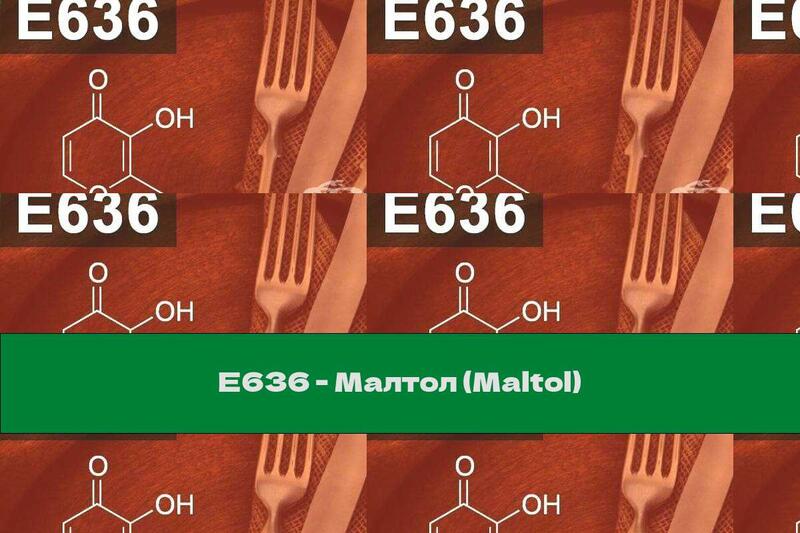
E636 - Maltol
 Author: Leticia Celentano
Time for reading: ~1
minutes
Last Updated:
August 08, 2022
Author: Leticia Celentano
Time for reading: ~1
minutes
Last Updated:
August 08, 2022
CHAPTERS (Table Of Contents)
Characteristics: Maltol has a white crystalline structure, its color can be pure or off-white. It has a characteristic caramel-fruity smell; its solubility in water, glycerin, ethanol and chlorophyll
Characteristic
Maltol has a white crystalline structure, its color can be pure or off-white. It has a characteristic caramel-fruity smell; its solubility in water, glycerin, ethanol and chloroform is medium. It is found naturally in milk, malt, chicory, in the needles of conifers (especially in Siberian fir). It can be formed in the process of caramelization of sugar. E 636 is produced in industry by alkaline hydrolysis of salts of streptomycin, also from pine needles.
Use
In some countries, the additive is mainly used to enhance the taste of sweet products, it is widely used in confectionery (all kinds of essences, chocolate, pastries, soft drinks). E 636 is also added to pasta, canned fruits and vegetables, tea, cocoa, coffee. It is also used as a flavoring.
In addition to the food industry, maltol is used in perfumery as a fragrance.
In low fat dairy and sour milk products E 636 creates a fat effect. In agriculture it is most often used as a means of accelerating the germination of seeds. In pharmacology, the substance acts as an ingredient that enhances the effect of many drugs, is used as an antioxidant, has bactericidal action. The supplement is often given to people who have been exposed to radiation. It is characterized by fungicidal properties.
Impact on humans
E 636 is potentially dangerous to humans. Most countries in Europe are giving up the substance. The maximum dose allowed for humans is 1400 mg per 1 kg of body weight.
Related Articles
Top Nutrition Articles Today
- . The Role of Water in Nutrition: Importance of Hydration and...
- . Melanin In Foods: What It Is Responsible For And How To Incr...
- . The Role of Amylase in Nutrition: Importance, Function, and...
- . The Impact of Coca-Cola on Nutrition: Caloric Content, Blood...
- . The Role of E220 in Nutrition: Preservative, Color Retention...
- . The Nutritional Benefits of Fish Roe: A Superfood for Your H...
- . The Ultimate Guide to Carbs in Nutrition: Types, Diets, and...
- . The Role of Additives in Nutrition: Positive and Negative Ef...
- . The Science of Raising Agents in Baking: Chemical and Functi...
- . Carbs to Sugar Conversion Chart: Monitoring Carb and Sugar I...