E163 - Anthocyanins
 Author: Victoria Aly
Time for reading: ~1
minutes
Last Updated:
August 08, 2022
Author: Victoria Aly
Time for reading: ~1
minutes
Last Updated:
August 08, 2022
CHAPTERS (Table Of Contents)
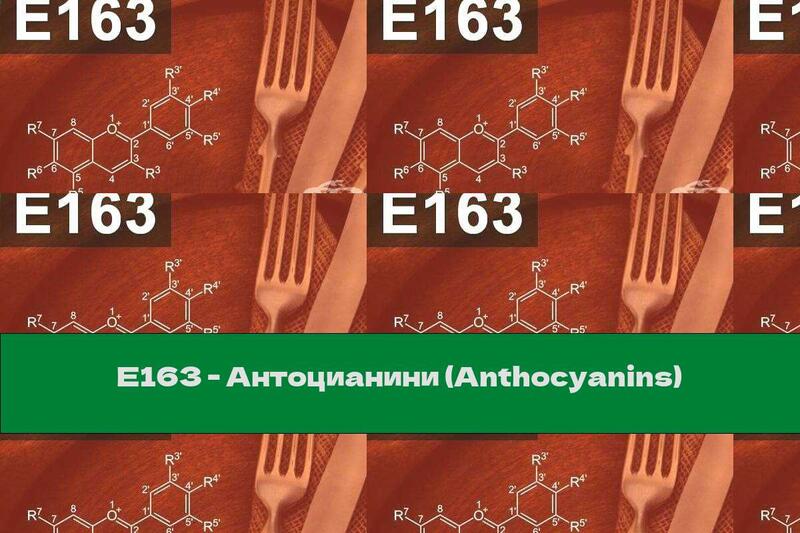
Characteristics: Nutritional supplements anthocyanins E 163 (anthocyanins, grape skin extract, enociania, enocianina, eno, anthocyane, enocyanine) are dyes of natural origin, obtained from plants
Characteristic
Dietary supplements anthocyanins E 163 (anthocyanins, grape skin extract, enociania, enocianina, eno, anthocyane, enocyanine) are dyes of natural origin, obtained from plant raw materials.
Anthocyanins are found in cherries, blueberries, black currants, chokeberries, cranberries, strawberries, red grapes, red cabbage, black elderberries, rose hips. E 163 may contain impurities: sugar, tannins, minerals and raw materials. These dyes are found in liquid form, powder or pasty, have a faint specific odor. The saturation of their colors depends on the level of the acid-alkaline environment; range from red to blue, even green.
E 163 dissolves easily in water, and in alcohol, practically, does not dissolve.
Use
The substance is not dangerous to human health and life, it is approved for use in the food industry in all countries around the world. The colorant is used to color confectionery, processed fruit products, soft drinks, wines, mayonnaise, sauces, some types of hard cheeses. Due to the dependence of the color of anthocyanins on the acidic environment, they are not used for coloring dairy and yogurt products in red, the color in such an environment becomes blue.
In addition to the food industry, E 163 is also used in cosmetics for coloring cosmetics and pharmaceuticals, in particular in the production of vitamins.
Impact on humans
The maximum allowable daily dose in the human body is 2.5 mg per 1 kg of body weight. Apart from being safe and harmless to humans, these substances are also a useful addition to the daily menu. It is believed that E 163 has a protective function for the body. Studies show that the use of anthocyanins leads to positive results in the treatment of certain diseases of the digestive system, prevents the development of cancer of the esophagus and colon.
Raspberry fruits are extremely useful because they are rich in anthocyanins.
Top Nutrition Articles Today
- . How To Properly Switch From Starvation To Normal Nutrition
- . The Truth About Red 40: Health Risks, Label Reading, and Nat...
- . Winter Nutrition: Importance, Tips, and Recipes for a Health...
- . The 500 Calorie Rule: Implementing Calorie Counting and Port...
- . Cochineal: The Nutritional Value and Health Benefits of the...
- . List of Foods that Contain Carrageenan: A Guide to Avoiding...
- . The Role of E365 in Nutrition: Benefits, Essential Nutrients...
- . Allium Intolerance: Understanding the Impact on Nutrition
- . 10 Foods The Richest People In The World Eat For Lunch
- . The Nutritional Benefits of Raisins for Brain Health