BRAT Diet For Diarrhea And Upset Stomach
 Author: Victoria Aly
Time for reading: ~13
minutes
Last Updated:
September 27, 2026
Author: Victoria Aly
Time for reading: ~13
minutes
Last Updated:
September 27, 2026
CHAPTERS (Table Of Contents)
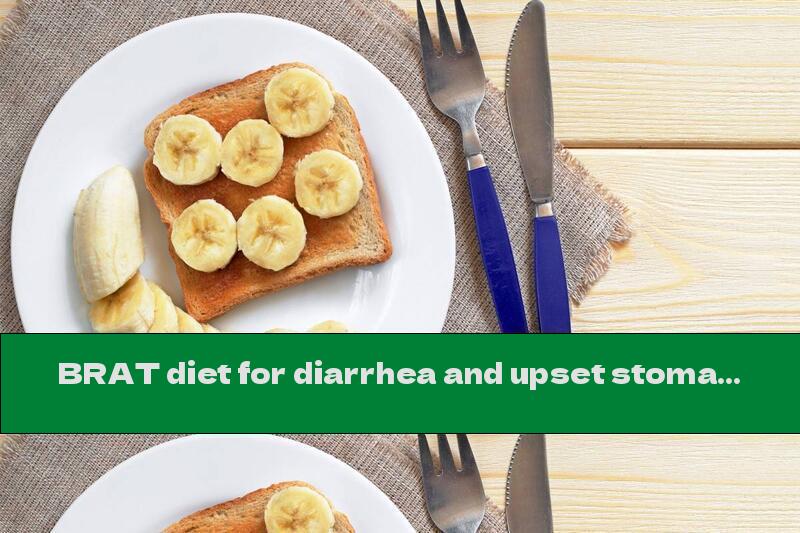
The name of the diet, which became known as the BRAT diet, is actually an acronym for the main foods contained in it - Bananas, Rice, Applesauce, Toast (bananas, rice, apple puree, and toast). What do these foods have in common? All of them are good for the stomach, especially in the presence of stomach upset, nausea, vomiting, diarrhea.
What can and what can not be eaten in the BRAT diet
Allowed foods in the BRAT diet
The key to this healing diet is to eat foods that are gentle on the stomach and low in fiber. These include bananas, apple puree, rice, and toast. Also allowed:
biscuits
cooked cereals, such as oatmeal or wheat porridge
weak tea
broth
boiled potatoes
Foods that should not be consumed during the BRAT diet include:
milk and milk products;
everything fried, greasy or spicy;
protein-rich products such as pork, salmon and sardines;
raw vegetables, including lettuce, carrots, broccoli and cauliflower, parsnips, beets, sauerkraut, corn on the cob, cabbage, onions;
fruits such as pineapple, orange, grapefruit, apple and tomato, cherries, grapes, figs, blackcurrants, raisins, rhubarb, fruit seeds;
very hot or cold drinks;
alcohol, coffee or other beverages containing caffeine.
General rules for following the BRAT diet
During the first six hours of stomach upset, it is good to turn off food completely. If you have vomiting and diarrhea, it is best to give your stomach some rest.
Before introducing the BRAT diet, you can start with water or electrolyte drinks in small sips, which will be useful to restore lost fluids with vomiting and diarrhea. You can include clear fluids back in your diet for the first 24 hours after the illness. Suitable for this purpose are clean water, vegetable, or chicken broth. If symptoms return, stop drinking fluids and wait a few hours before trying again.
After the first day of the disease, you can now switch to the actual BRAT diet. This diet is quite restrictive and not very nutritious, so you probably won't want to stay on it longer than necessary.
After at least three days after the onset of the disease, you should slowly begin to include normal foods back in your diet. Start with things like boiled eggs, boiled fruits and vegetables, and white meat, such as chicken or turkey. It is important to follow your body's signals. If you start eating too many different foods too early, the symptoms may return. Therefore, you should do this slowly and gradually.
Sample diet
First six hours: In the first six hours after vomiting, it is best to give your stomach a rest. Then switch to small sips of water if nausea persists.
First 24 hours (Day one): If vomiting has stopped, gradually add clear liquids. A sip or two every ten minutes is a good start. Suitable liquids are water, apple juice, carbonated water, weak tea, broth. If nausea or vomiting returns, start the process again, taking nothing orally for about an hour.
Day 2: Include stomach-sparing foods such as bananas, rice, apple puree, salads, toast.
Day 3: Continue to a "regular" diet by adding foods such as boiled eggs, stewed fruits, cooked vegetables, white chicken or turkey.
The benefits of the BRAT diet
Harder stools. The foods in the diet are carbohydrate and low in fiber, which can lead to easier hardening of diarrhea stools.
They spare the stomach. Foods are low in fat and protein, which means they are unlikely to irritate the stomach and cause stress to the digestive system.
Reduces nausea. Due to its poor taste and lack of strong odors, BRAT foods are not prone to cause nausea or vomiting.
Efficacy of the BRAT diet
There are studies on some of the BRAT foods and how they affect diarrhea. Bananas, for example, contain a substance called pectin, which is very good for the digestive tract. A systematic review from 2019 includes several studies that found that green banana can reduce both diarrhea and constipation in children. In addition, bananas are beneficial for the absorption of water and electrolytes.
A 2016 study showed that rice in soup form can effectively treat diarrhea in children who consume it, along with a prescribed oral rehydration solution.
For adults and children, the BRAT diet is preferable to complete abstinence from food, but it should not be used as a long-term solution to avoid malnutrition. The American Academy of Pediatrics (AAP) no longer recommends this diet for babies and children because the foods in it are too limited and do not provide the body with enough protein, trace elements, and macronutrients for treatment and recovery.
Additional measures to relieve symptoms
In addition to diet, there are other things you can do to relieve the symptoms of stomach irritation and speed recovery:
Stay hydrated: Dehydration is a serious complication of diarrhea. Drink clear liquids such as water, broth and apple juice, herbal teas, especially ginger and mint, coconut water. Electrolyte fluids are also a good idea.
Avoid certain foods: Pay attention to the foods you eat. Although BRAT is not recommended as a long-term solution to upset stomach, it is still good to avoid fried, greasy or spicy foods for a few days. You should also avoid alcohol, caffeine and sugary drinks, as they can worsen the symptoms in some people.
Antidiarrheals: Talk to your doctor about taking anti-diarrheal medicines, as they may worsen or mask the underlying causes of diarrhea. They may also not be completely safe for children.
Probiotics and prebiotics: Providing beneficial bacteria to the intestinal tract can help significantly in dealing with symptoms and discomfort more quickly. You can find probiotics in tablet or liquid form. Probiotics are also found in fermented foods such as yogurt and kombucha.
Preparations containing prebiotics may also be helpful, as they support the development of beneficial intestinal bacteria. These can be found in chicory root, artichokes, berries, bananas, onions, oats, and garlic.
Start reintroducing regular foods from your menu as soon as you can tolerate them. As soon as you succeed, eat a varied, balanced diet to restore your overall levels of nutrition and energy.
Rest and avoid stress to give your body a chance to recover.
Is the BRAT diet safe?
Adherence to the BRAT diet for a limited time is unlikely to cause significant harm, but this is not the case if it is used in the long term. Prolonged adherence to the BRAT diet can lead to malnutrition and low energy levels, as it contains too few calories and insufficient of the following vital nutrients:
proteins
fat
fiber
vitamin A.
vitamin B12
calcium
Is the BRAT diet safe for children?
The BRAT diet was once a major part of most pediatricians' recommendations for children with an upset stomach. The idea was to allow the intestines to "rest" and reduce the amount of stool. Now, however, due to its restrictive nature, the American Academy of Pediatrics does not recommend the use of the BRAT diet for children with diarrhea.
Because BRAT diets are low in fiber, protein and fat, they do not provide enough nutrients to help a child's gastrointestinal tract recover, and some nutritional deficiencies can worsen diarrhea. The American Academy of Pediatrics now recommends that children continue to eat a normal, well-balanced diet appropriate for their age after the first 24 hours after they become ill. If these foods are part of the child's normal diet, the child can continue to eat them along with several other foods, such as:
salty biscuits
clear broths
potatoes without added butter, cream, or cheese
sweet steamed or baked potatoes
roasted chicken without skin
oatmeal
When should you see a doctor?
Seek medical attention if you have frequent or severe diarrhea. Your symptoms may be a sign of an illness or condition that requires medical treatment, such as:
bacterial infection
parasitic invasion
reaction to certain drugs
food intolerance
Even if you think you just have an upset stomach, contact a doctor if diarrhea lasts more than two days or you experience signs of dehydration such as dry mouth, thirst, less frequent urination, fatigue, weakness, or dizziness. Contact a doctor and/or if you have severe abdominal or rectal pain, bloody or black stools, or a body temperature above 38.8 ° C.
When it comes to babies and young children, you should call a doctor even if the vomiting or diarrhea lasts only one day.
Related Articles
- The Nutritional Value of Avocado Calories: Benefits, Diet Tips, and Recipes
- The Ultimate Guide to Diet ��� 7 for Improved Nutrition
- The Nutritional Value of Potato Chips: How They Fit Into a Healthy Diet
- Nutritional Benefits of Chowmein: A Healthy Addition to Your Diet
- The Ultimate Guide to a Healthy Diet: Benefits, Components, and Tips
Top Nutrition Articles Today
- . How To Properly Switch From Starvation To Normal Nutrition
- . Acrylamide - The Harmful Substance In Pasta
- . 10 Foods The Richest People In The World Eat For Lunch
- . Fast Food: Harm To The Body And Ways To Solve The Problem
- . E477: A Comprehensive Guide to the Food Additive
- . Allium Intolerance: Understanding the Impact on Nutrition
- . The Truth About Red 40: Health Risks, Label Reading, and Nat...
- . The Power of Lactic Acid in Nutrition: Benefits, Foods, and...
- . Fiber In Peanuts
- . The Role of Raising Agents in Nutrition: Types, Functions, a...