Why Eat Zinc-rich Fruits And Vegetables?
 Author: Maryam Ayres
Time for reading: ~2
minutes
Last Updated:
August 08, 2022
Author: Maryam Ayres
Time for reading: ~2
minutes
Last Updated:
August 08, 2022
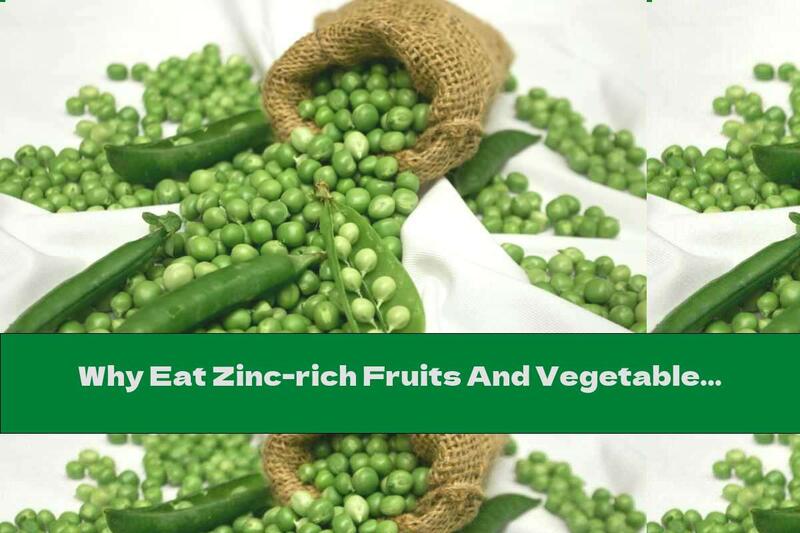
Instead of focusing on supplements, we can get zinc by eating lots of fruits and vegetables that are rich in the mineral.
Spring is the perfect time to fill a deficiency in the body with fruits and vegetables that abound in the market. Zinc is one of the elements that does much more to our body than we think. It plays an important role in maintaining the normal function of the immune system, promotes cell growth. It is also needed to break down carbohydrates and increase the effectiveness of insulin.
Zinc is considered to be the second most important mineral in the body, after iron. Older men need 11 mg of zinc per day, while women need 8 mg. It is recommended for pregnant women to increase their intake after consulting a doctor.
Red meats , especially beef and lamb, as well as liver, contain the most zinc. Many seasonal fruits and vegetables are also rich in the mineral. Therefore, instead of emphasizing supplements, which are still chemistry, we can get it through what nature gives us.
Avocados are among the best sources of zinc among fruits and vegetables. An average avocado contains about 1.29 mg of zinc, which is about 11.7% of the recommended daily allowance. To it we can add some seeds, which are also rich in zinc. 1 g of roasted pumpkin seeds contains 2.17 mg of zinc (19.7% of the recommended daily dose), and 28 g of sesame seeds contain about 2.8 mg of zinc.
Green leafy vegetables are full of zinc and other useful vitamins and minerals. For example, spinach , which after cooking contains more than 1 mg of zinc. In the frozen there is a significantly smaller amount. This vegetable is followed by green beans . In an average bowl of green beans there is a little over 1 mg of zinc, which is equal to over 9% of the recommended daily dose. We can steam it to preserve most of the useful substances in it.
Like green beans, peas also contain large amounts of zinc. A cup of cooked frozen peas contains about 1 mg of zinc, which is about 9.1% of the recommended daily allowance. Let's not forget the broccoli - in a glass of fresh broccoli there is about 0.7 mg of zinc, and in cooked less - about 0.50 mg.
Of the fruits, pomegranate is the richest in the mineral . Half a cup with its ruby-red berries, hides about 0.3 mg of zinc. One whole fruit contains 0.99 mg. Dried figs are also recommended for zinc deficiency in the body. They contain nearly 0.82 mg of the mineral or 7.45% of the recommended daily intake. Other dried fruits rich in zinc are plums - 0.77 mg per medium cup.
Related Articles
- Fruitskewers in Honey Syrup: Nutritional Benefits and Recipes
- Nutrition Guide: Fruitskewers in Honey Syrup - Benefits, Recipes, and More
- The Ultimate Guide to Fruitskewersinhoneysyrup: Benefits, Recipes, and More
- The Ultimate Guide to Fruitskewers in Honey Syrup: Nutrition, Recipes, and Benefits
- The Ultimate Guide to Fruitskewers in Honey Syrup: Nutrition, Recipes, and More
Top Nutrition Articles Today
- . Nutrition In Splenomegaly (enlarged Spleen / Spleen)
- . List of Foods that Contain Carrageenan: A Guide to Avoiding...
- . The Role of Calcium Disodium in Nutrition: Benefits, Sources...
- . The Role of K12 in Nutrition: Benefits, Sources, and Recomme...
- . Simple Sugars Foods
- . The Role of Citrate in Nutrition: Sources, Benefits, and Rec...
- . Understanding Energy Balance in Nutrition: Importance, Weigh...
- . The Truth About Red 40: Health Risks, Label Reading, and Nat...
- . The Ultimate Guide to Gatorade in Nutrition: Benefits, Usage...
- . 6 Week Challenge Meal Plan: Benefits, How to Create, and Sam...