Types Of Formulas
 Author: Dean Rouseberg
Time for reading: ~2
minutes
Last Updated:
August 08, 2022
Author: Dean Rouseberg
Time for reading: ~2
minutes
Last Updated:
August 08, 2022
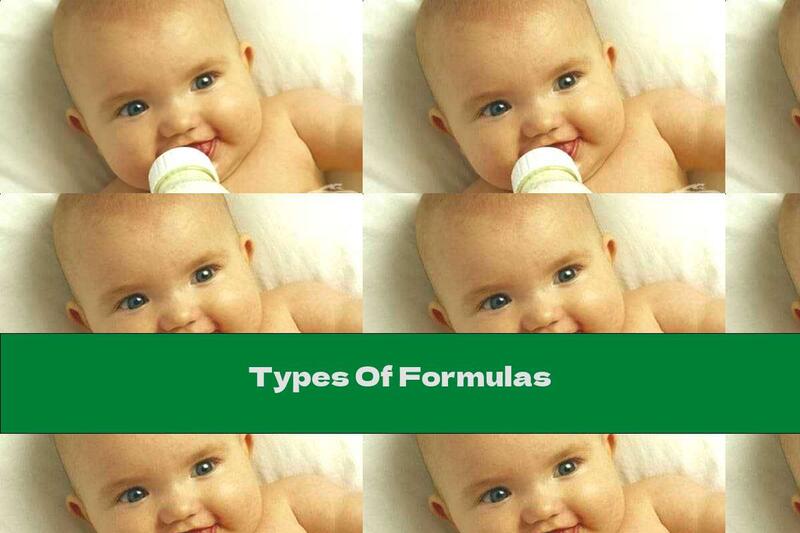
All formulas are produced on the basis of cow's milk. Due to the fact that their composition should be close to that of breast milk, they are adjusted in the following directions: - adapted milk
All formulas are produced on the basis of cow's milk . Due to the fact that their composition should be close to that of breast milk, they are adjusted in the following directions:
- formulas are enriched with amino acids and whey proteins in order to improve the casein - lactoalbumin ratio;
- the amount of proteins and mineral salts is reduced;
- enrichment of vitamins in quantities consistent with the needs of the child's body, and the energy values correspond to breast milk;
- enrichment with copper, zinc, iron, iodine, manganese and other trace elements that prevent the development of iron deficiency anemia, rickets, goiter;
- by adding vegetable oils they are enriched with polyunsaturated essential fatty acids;
With these adjustments, as well as the addition of bioactive substances (biotin, taurine, choline, probiotics, long-chain fatty acids, oligosaccharides, hucleotides, etc.), formulas resemble the nutritional and biological characteristics of breast milk .
Depending on the age, there are:
- infant formula (up to 6 months);
- transitional milks (from 6 months to 1 year);
- milk for young children (after 1 year).
Infant formula is given to children up to 6 months of age. They contain an optimal amount of protein, and the ratio of casein to whey protein is the same as in breast milk. Carbohydrates mainly contain lactose and vegetable fats supply the necessary polyunsaturated fatty acids. Many formulas are fortified with probiotics, carnitine, nucleotides, taurine and more.
Transitional milks are intended for children from 6 months of age to one year of age. They contain a higher content of proteins, carbohydrates, vitamins and minerals (calcium, phosphorus, iron). Their composition is consistent with the higher nutritional needs of children and are adapted to meet the maturation of the digestive and urinary - urinary system of children. Transitional milks also contain prebiotics and probiotics.
Milks for children after 1 year of age are rich in trace elements (iodine, copper, fluorine, magnesium, iron, etc.) in contrast to cow's milk. They reduce the risk of developing anemia, rickets and other diseases and can be given to children up to 3 years of age.
Diet with formula.
If the mother is unable to breastfeed or there are contraindications to breastfeeding, formula feeding can begin immediately after birth. The transition from natural feeding (breastfeeding) to artificial feeding (with formula) can take place immediately, without an adaptation period. Due to the fact that formulas saturate more than breast milk and are more difficult to digest in the stomach, the interval between meals can be increased in the second month (instead of 3 to 3 and a half hours). Eating on request is not recommended. The amount of milk a child should drink depends on his weight and age, but the total amount of milk should not exceed 1 liter. When feeding the child, the amount of milk taken decreases.
- Artificial feeding in infants
- The effects of smoking, alcohol and drugs during breastfeeding
- How to wean a child
- How to deal with breastfeeding difficulties
Related Articles
- The Role of Flour in Nutrition: Types, Benefits, and Recipes
- The Role of Additives in Nutrition: Types, Common Additives, Regulations, and Health Concerns
- The Role of Additives in Nutrition: Types, Common Additives, Health Concerns
- The Role of Thickeners in Nutrition: Types, Benefits, and Recipes
- The Ultimate Guide to Protein Shakes: Benefits, Types, Recipes, and More
Top Nutrition Articles Today
- . Nutrition In Splenomegaly (enlarged Spleen / Spleen)
- . The Role of Calcium Disodium in Nutrition: Benefits, Sources...
- . The Role of K12 in Nutrition: Benefits, Sources, and Recomme...
- . List of Foods that Contain Carrageenan: A Guide to Avoiding...
- . Understanding Energy Balance in Nutrition: Importance, Weigh...
- . Melanin In Foods: What It Is Responsible For And How To Incr...
- . The 45-30-25 Diet: A Balanced Approach to Nutrition
- . The Truth About Disodium Inosinate: Uses, Safety, and Altern...
- . The Science of Raising Agents in Baking: Chemical and Functi...
- . The Ultimate Guide to Carbs in Nutrition: Types, Diets, and...