Molybdenum - Is It Needed In Food?
 Author: Nia Rouseberg
Time for reading: ~1
minutes
Last Updated:
August 08, 2022
Author: Nia Rouseberg
Time for reading: ~1
minutes
Last Updated:
August 08, 2022
Excessive molybdenum intake should only be resorted to after a doctor's recommendation.
Molybdenum is a chemical element with low water solubility and although it is needed by humans in extremely small quantities, it is indispensable for its normal biological functions.
The mineral and its compounds are present in both plant and animal products, and the rule applies to plants: the richer the soil is in molybdenum, the more of the element will be absorbed into plant tissues.
According to researchers at the Linus Pauling Institute , most Europeans fully meet their needs for molybdenum, but it is still important to know the symptoms of its deficiency.
Although the required amounts of molybdenum are low, this element is extremely important for the production of enzymes , such as sulfite oxidase, which breaks down proteins or aldehyde oxidase - a compound needed to break down toxins inside the body.
Adequate intake of the element is also associated with better dental health , because it is found in significant concentrations in tooth enamel.
The indicative daily dose (RDA) is about 45 mcg of molybdenum per day. This recommendation of experts from the World Health Organization applies to men and women over 19 years. Europeans consume between 76 and 109 mcg per day, and the upper limit of intake is 2000 mcg per day.
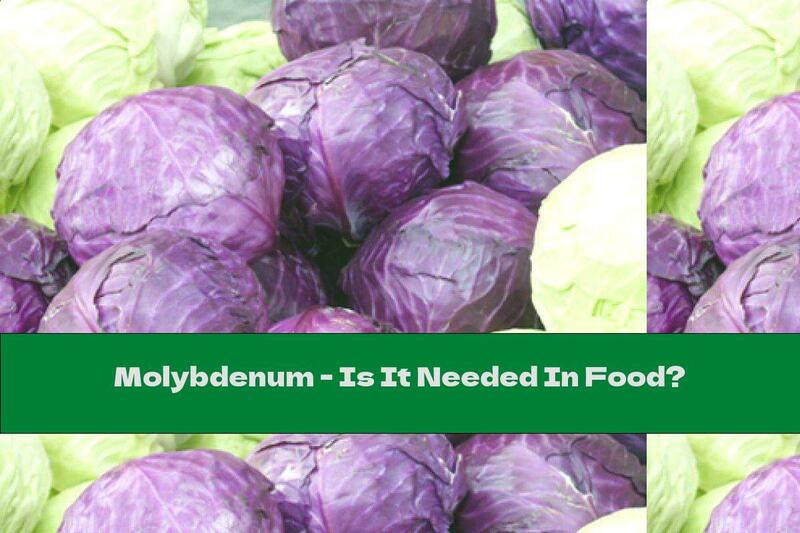
The best food sources of molybdenum are beans and other pod plants, as well as all kinds of nuts. 100 g of boiled beans contain 196 mcg of molybdenum, 100 g of lentils - 148 mcg, and 100 g of almonds - 46.4 mcg. Additional foods containing molybdenum are yogurt, eggs, some dried fruits, cabbage and white cheese.
Most people do not need additional molybdenum intake, but there are several inherited diseases that impair mineral metabolism and require increased intake - only on prescription. The additional daily doses should not be exceeded, as they can lead to: fatigue , anemia , skin rashes , gout , headaches , muscle and joint pain and a decrease in the number of erythrocytes - red blood cells.