How To Maintain Good Immunity? Against Infections And For Health
 Author: Joe Fowler
Time for reading: ~5
minutes
Last Updated:
August 08, 2022
Author: Joe Fowler
Time for reading: ~5
minutes
Last Updated:
August 08, 2022
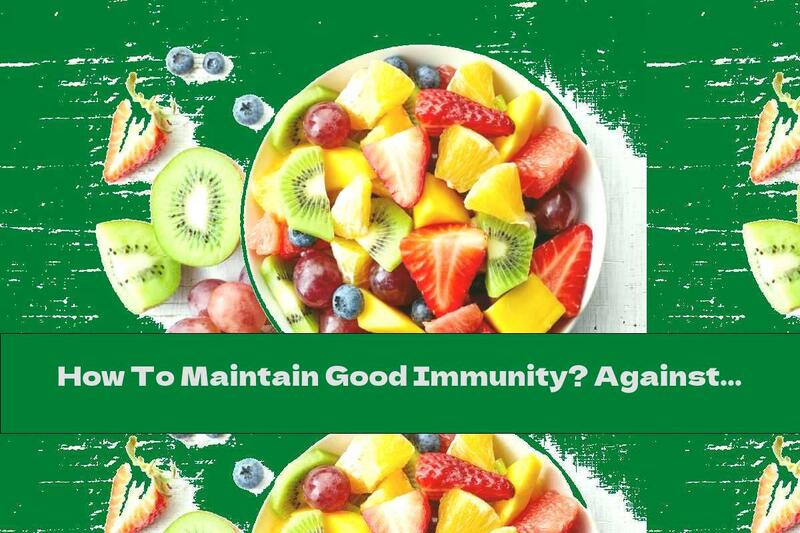
How to take care of maintaining good immunity against infections and other diseases. The minimum we need to master concerning nutrition, sleep, stress
Our only sure protection against viruses is our own immune system . However, in order for it to function as intended, we are required to take care of it. What does this mean?
The body's immune system includes several "fronts" of defense. These are the skin that prevents even microbes from entering the body directly; cilia that are located on the epithelium of the airways and specialized cells of the immune system that recognize and attack foreign particles such as viruses and bacteria.
To help the body 's defenses , we must first have the necessary minimum of hygiene habits. It is no coincidence that now experts are paying serious attention to hand washing. We also know that when there is a wound on the skin, it should be covered so that it is not contaminated by harmful microorganisms.
In terms of eyelash maintenance, we are hardly able to do anything special when we are not smokers. But we need to know that sneezing is not an accidental reaction of the body and when it does not happen alone, for us it should be an indication that we need to take measures to support the immune system, especially by taking more care of ourselves.
The functions of some immune cells are like those of fighters - their role is to neutralize foreign particles. Others specialize in producing antibodies to recognize the proteins of the "invaders" that are on the surface of their shell.
This allows the body to build immunity against pathogens it has already encountered: to quickly recognize them and form an immune response against them. This is the reason why we feel bad in the beginning with an illness - a sure sign that the body has harnessed its defenses against the infectious invader.
When we want to support our immune system to ensure more health , it is important to follow a few proven rules of effective medical science. Who are they?
1. Avoid alcohol, as it suppresses the body's immune function. In addition, alcohol dehydrates the body, and this is one of the unfavorable factors for optimal cell function. It is not a problem to join a toast once, but the systematic use of alcohol should be avoided. Consumption of more than one drink for women and two for men a day already speaks of addiction.
2. Outside of this relationship, always keep your body well hydrated and in case of illness, never forget to drink plenty of fluids: water and tea to help your body.
3. Stress seems harmless from the side. But we are the ones who can judge for ourselves whether the load at a given moment does not "come too much". When we begin to experience anxiety, stress has prevailed, and in all recent studies it is documented that this seriously affects our immunity. Under stress, our body releases cortisol, which in the short term can be invaluable, contributing to the mobilization of the body for a rapid response to threats, but when emitted constantly causes the emergence of inflammatory processes that are the precursors of many diseases. Stress prevents the immune system from harnessing its defenses - white blood cells, which makes us more susceptible to disease.
4. When it is recommended to eat fresh fruits and vegetables , it is because they contain invaluable antioxidants that eliminate the harmful effects of stress in the body. Including and contribute to reducing the level of unpleasant sensations in the early stages of the disease. How many fruits and vegetables is good to eat to ensure this beneficial effect: 300 g of fruits and 350-400 g of vegetables per day. Preference is given to green leafy vegetables, peppers, citrus and berries and more.
However, fruits and vegetables should not be our only food. In order for the body to have the raw materials to produce antibodies, we must have provided it with the necessary minimum of protein.
5. In recent years we have learned more and more about the benefits of vitamin D for the body. It is extremely valuable for maintaining the immune system and antibody synthesis. Vitamin D enters various parts of the body, it is in the bones, intestines, colon, brain, where it binds to the receptors of immune cells in place and activates them.
Our body is able to synthesize enough vitamin D from sunlight. Therefore, it is a condition that we expose ourselves to such for at least 20 minutes a day. Vitamin deficiency can occur during the cold half of the year. This can be observed in the modern way of life, which limits our activities indoors.
Vitamin D can also be obtained with the consumption of certain foods such as oily fish, seafood, mushrooms, eggs with yolk, foods enriched with it, such as milk.
6. Sleep is neither extra nor "pampering". During this rest, the body has the opportunity to repair a number of damages caused during its functioning during the waking period. If we lose sleep, this function of the body will be hindered, our immunity and psyche will be unstable and unstable. How much sleep is enough to stay healthy - between 7 and 9 hours a night until the age of 64, then between 7-8 hours.
7. In recent decades, we have limited our physical activity to an alarmingly low level. However, thanks to movement, we expel pathogens from our airways, which reduces the likelihood of developing colds, flu and others. In addition, physical activity maintains the activity of antibodies and white blood cells. Through active circulation, they reach every part of the body.
8. If you smoke, think again about your health. We know that the recommendation to quit smoking is annoying, but with the threat of a virus like COVID-19, which goes directly into the lungs, it is good to do everything possible not to damage the protective function of the mucous membrane of the respiratory tract. Eyelashes stop the movement of harmful microorganisms and are the first line of defense for respiratory infections. When they are suppressed, which is observed in smokers, pathogens enter the body much easier.
9. Finally, we remind you again - do not forget to wash your hands often with soap and running water. You know that through our fingers we transmit microbes and help them enter the body by touching the eyes, nose and mouth. The time to wash your hands should be at least 20 seconds - with quality soaping and covering all surfaces of the palms to the wrists: on the underside of the hands, the upper, between the fingers above and below, separately the thumbs in a circular motion, including the wrists as a bracelet around them and the pads of their fingers by rubbing them on the soapy palm.
Related Articles
- The Power of Honeysuckle: Health Benefits and Recipes
- The Ultimate Guide to Hickory Smoked Bacon in Nutrition and Healthy Eating
- Nutritional Benefits of Fruit Skewers in Honey Syrup: A Delicious and Healthy Recipe
- Nutritional Benefits of Fruit Skewers in Honey Syrup: A Healthy and Delicious Snack
- Nutrition for Respiratory Health: Supporting Your Lungs with the Right Foods
Top Nutrition Articles Today
- . Nutrition In Splenomegaly (enlarged Spleen / Spleen)
- . The Role of K12 in Nutrition: Benefits, Sources, and Recomme...
- . The Role of Calcium Disodium in Nutrition: Benefits, Sources...
- . List of Foods that Contain Carrageenan: A Guide to Avoiding...
- . Simple Sugars Foods
- . Winter Nutrition: Stay Healthy and Nourished During the Cold...
- . The Role of Citrate in Nutrition: Sources, Benefits, and Rec...
- . The Ultimate Guide to Gatorade in Nutrition: Benefits, Usage...
- . The Truth About Red 40: Health Risks, Label Reading, and Nat...
- . Understanding Energy Balance in Nutrition: Importance, Weigh...