How Many Calories Are In Beer?
 Author: Nia Rouseberg
Time for reading: ~1
minutes
Last Updated:
August 08, 2022
Author: Nia Rouseberg
Time for reading: ~1
minutes
Last Updated:
August 08, 2022
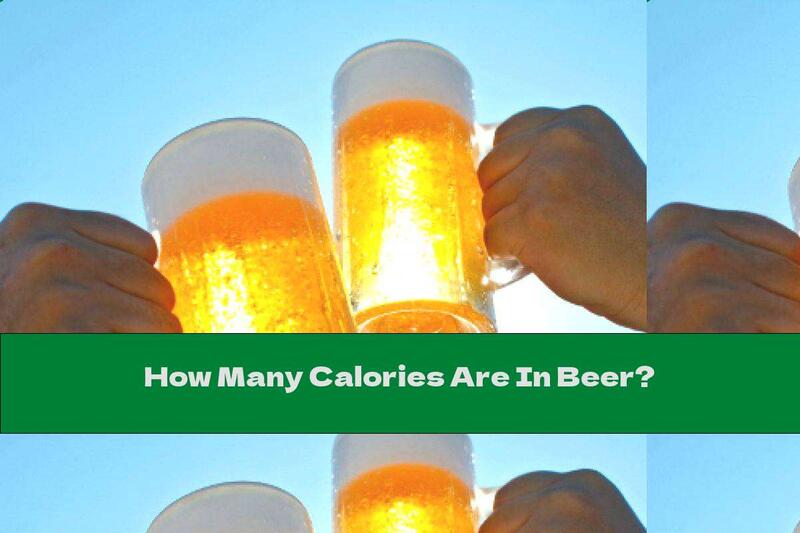
Calories are a measure of the energy value of food. Their content in alcohol is usually high and can strongly affect body weight.
Despite the fact that most beers are low in alcohol, drink lovers must face the ugly truth: alcohol without calories does not exist. People often associate calories with essential nutrients such as fats and carbohydrates , but often forget what calories really are.
Calorie is a unit of energy, its name comes from the Latin word for heat - calor . One kilocalorie (1 kcal = 1000 cal) is the amount of energy needed to raise the temperature of 1 kg of water by 1 ° C. Although popular in the food industry, it would be more appropriate to use another unit of energy, the joule . One calorie is equal to 4.2 joules.
Thus, calorie intake means energy intake for the body, it can be consumed quickly or accumulated in the form of fat. For optimal health, the average man needs 2,500 calories a day or 10,500 kilojoules. For women, the daily amount of energy needed from food is less - 2000 cal or 8400 kilojoules. Different types of diets can further limit caloric intake. Monitoring calorie intake is key to following diets and controlling body weight.
A standard 350 ml light beer with an alcohol content between 4% and 10% contains 13 g of carbohydrates and 100 calories, and if it is dark - 180 calories. Non-alcoholic beer is more sparing with its 72 calories, and cider contains over 200 calories. Fruit beers are often even more caloric. Alcohol is produced by fermentation processes in which microorganisms feed on sugars from the preform and release alcohol compounds. However, microorganisms are not 100% effective, which determines the presence of sugars in the resulting drinks.
The main problem with beer calories is that it is often consumed in combination with fatty , carbohydrate- rich foods. When calories from alcohol are taken in, they are metabolized with an advantage by the body, and calories from food remain in the background. With larger amounts of beer, while processing alcohol, the caloric content of food mainly accumulates as fat in the body, which makes following a calorie-restricted diet more difficult and sharply reduces their effectiveness.
Related Articles
- The Nutritional Value of Avocado Calories: Benefits, Diet Tips, and Recipes
- The Ultimate Guide to Avocado Calories: Benefits, Recipes, and More
- The Nutritional Value of Ice Cream: Calories, Vitamins, and Healthy Alternatives
- The Nutritional Value of Bud Light: Calories, Alcohol Content, and More
- Michelob Ultra Calories: A Low-Calorie Beer Option for Your Diet
Top Nutrition Articles Today
- . How To Freeze Nettles
- . The Ultimate Guide to Bicarbonate in Nutrition: Sources, Ben...
- . Mad Dog Alcohol
- . The Role of Raising Agents in Nutrition: Types, Functions, a...
- . How To Fold An Angel Napkin
- . The Truth About Potato Chips: Health Effects and Alternative...
- . The Impact of Diet Carbonated Beverages on Heart Health | He...
- . The Role of Additives in Nutrition: Positive and Negative Ef...
- . The Ultimate Guide to Vitamin E in Nutrition: Benefits, Sour...
- . The Role of Sulfate in Nutrition: Sources, Benefits, and Def...