How Does Fiber Help Us?
 Author: Leticia Celentano
Time for reading: ~1
minutes
Last Updated:
August 08, 2022
Author: Leticia Celentano
Time for reading: ~1
minutes
Last Updated:
August 08, 2022
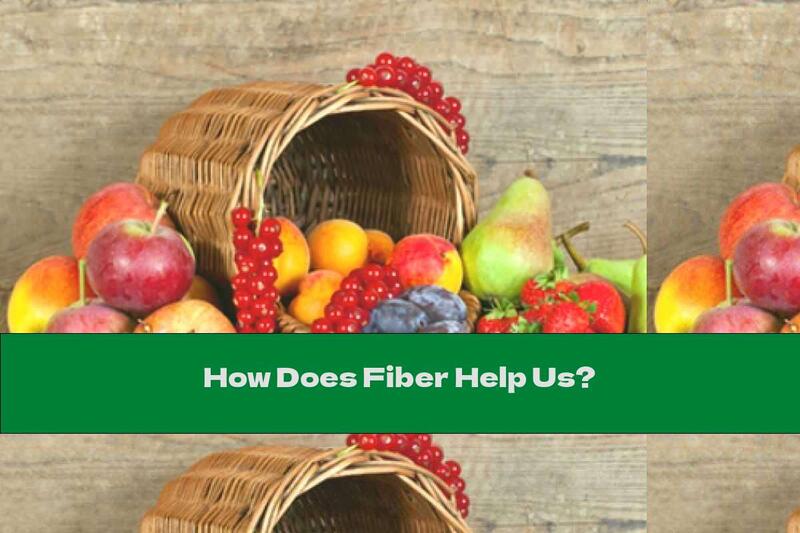
The fibers can be both soluble and insoluble. Most foods that are high in fiber contain both types of fiber.
Plant foods are rich in dietary fiber . They play the role of a structural framework of plants and are one of the most common compounds in nature. Fiber is the part of the plant that cannot be completely broken down by digestive enzymes in our body. Therefore, they cannot be absorbed by our body.
The main sources of fiber in the diet are fruits , vegetables, whole grains, nuts and legumes - beans, lentils, peas. They have a variety of benefits - they help the health of the gastrointestinal tract , prevent heart disease and some cancers, reduce blood pressure levels, regulate blood sugar levels and help maintain a healthy weight.
Fiber can be both soluble and insoluble, most foods that are rich in them contain both types.
Insolubles accelerate the movement of food in the intestines. Solubles decompose on contact with water and turn into a jelly-like substance. They slow down the movement of food through the small intestine.
Data from studies show that soluble fiber is more effective in lowering cholesterol levels. Analyzes show that increasing the intake of soluble fiber from 5 to 10 g per day lowers the levels of "bad" LDL cholesterol by about 5%. They are found in large quantities in oat bran and nuts.
Experts recommend that men up to the age of 50 take 38 grams of fiber daily, and women - 25 grams, including both soluble and insoluble.
After reaching this age, the recommended amounts for men are 30 years, and for women - 21 years.
Related Articles
- The Nutritional Benefits of Figs: A Fiber-Rich Fruit for Your Diet
- The Nutritional Benefits of Figs: A Fiber-Rich Fruit
- The Nutritional Benefits of Figs: A Fiber-Rich Fruit for Your Diet
- Nutritional Benefits of Lasagna: Protein, Calcium, Fiber, and More
- The Nutritional Benefits of Figs: A Guide to Fiber-Rich Fruit